
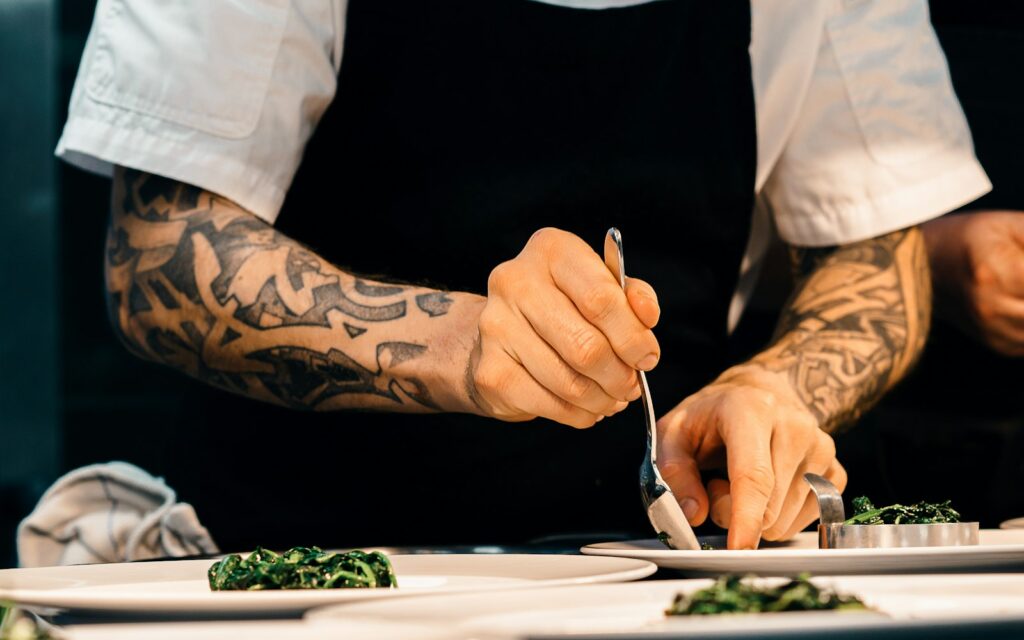
For many culinary students, a stage in a Michelin-starred kitchen in France is the dream line on a CV. It can be one of the most formative experiences of a cooking career — and also one of the most demanding. This guide explains what a restaurant internship in a starred or gastronomic kitchen really looks like, what chefs expect from interns, and how students from the US and Canada can prepare.
Gastronomic kitchens in France: from bistro to three stars
France has a dense network of restaurants at every level: neighbourhood bistros, brasseries, hotel restaurants, gastronomic restaurants and starred houses listed in the Michelin Guide. Internship vacancies exist across all of them. The kitchen you join shapes your experience more than the city:
- Bistros and brasseries: high volume, classic French cooking, fast service. Great for speed and fundamentals.
- Hotel restaurants: several outlets (breakfast, banquets, à la carte), structured teams and clear schedules.
- Gastronomic and starred restaurants: small covers, very precise technique, long mise en place, strict hierarchy.
A strong internship in a well-run bistro often teaches more than a few weeks peeling vegetables in a famous kitchen. Aim for the place where you will actually cook.
What a day looks like as a commis intern
In most French kitchens, interns join the brigade as a commis under a chef de partie. A typical day in a gastronomic kitchen:
- Morning mise en place: preparing vegetables, herbs, garnishes, stocks and sauces for your station, following the chef’s specifications to the millimetre.
- Staff meal with the team before lunch service.
- Lunch service: supporting your chef de partie, plating elements, keeping the station clean and stocked.
- Afternoon break (the classic split shift in many restaurants), then evening mise en place and dinner service.
- Cleaning and closing the station, labelling and storing according to hygiene rules.
Expect long, physical days. French labour rules for internships apply, but kitchen life is intense, especially in season.
What chefs expect from interns
- Reliability above everything: on time, every day, in clean whites.
- Precision and repetition: doing the same task perfectly a hundred times.
- Listening: “Oui, chef” is not a cliché. Instructions are short and expected to be followed exactly.
- Basic kitchen French: you will learn fast, but arriving with the essentials changes everything. Start with our list of French kitchen words every culinary intern needs.
- Curiosity: ask questions at the right moment (not during the rush) and taste everything you are allowed to.
Paid or unpaid? The gratification rule
Internships in France are framed by an internship agreement (convention de stage) with your school. When an internship lasts more than two months, the host must pay a legal minimum “gratification” — approximately €4.50 per hour in 2026, which is roughly €680 per month for a 35-hour week. Some restaurants also offer meals or help with housing. Amounts are reference figures: check the current rate and what each host offers. More details in our guide to paid culinary internships in France for American and Canadian students.
How students from the US and Canada can get a place
- Check your school’s rules: credit, minimum length, internship agreement.
- Prepare a kitchen CV with your stations, techniques and any restaurant experience, plus a few photos of your dishes.
- Be flexible on region and type of restaurant: the best opportunities are not always in Paris.
- Plan the paperwork early: depending on your nationality and length of stay, a visa may be required. The decision belongs to the French consulate.
- Apply through a program that knows the restaurants, prepares you for interviews and follows you during the stay.
Is a starred kitchen right for you?
If you want to master technique and discipline and you are ready for a demanding environment, yes. If you want to see the whole restaurant (pass, service, menu development, ordering), a busy bistro or hotel restaurant may suit you better. Both are valuable — and both look good on a CV when you can explain what you learned.
Start your culinary internship in France
Talents Place connects culinary students with French kitchens, from bistros to gastronomic restaurants. Explore our culinary internship program, see how it compares with culinary school, or apply now. Placement depends on your profile, the interview and the restaurants’ needs; visas are decided by the consulate.